
Sustainable Luxury: Why Alpaca and Llama Fibers Are the Eco-Friendly Alternative to Synthetics
Sustainable Luxury: Why Alpaca and Llama Fibers Are the Eco-Friendly Alternative to Synthetics
By Melissa Bright, Somerset County 4-H Agent
As more people think about fashion’s impact on the environment, natural fibers like alpaca and llama are becoming popular again with eco-friendly shoppers and crafters. These camelid fibers boast environmental benefits that many synthetic materials simply cannot match, from renewability and biodegradability to lower chemical use and softer grazing impacts on the land (CommonShare, n.d.).
Alpaca and llama fibers come from animals that are sheared annually, a process that allows their fleeces to grow back without harm. Unlike synthetic fibers that are made from petrochemicals (e.g., polyester or acrylic), alpaca and llama fibers are entirely renewable and biodegradable. At the end of their life cycle, these natural fibers break down and return to the earth instead of persisting in landfills for decades (CommonShare, n.d.).
These animals have a remarkably low environmental impact. Alpacas and llamas require less water and food than many other livestock animals and have soft, padded feet that are gentle on pastures, minimizing soil erosion (CommonShare, n.d.).
Synthetic fibers like polyester and nylon have significant environmental downsides. They depend on non-renewable fossil fuels for production, require large amounts of water and energy, and shed microplastics during washing, which persist in oceans and waterways, potentially harming wildlife (Suri Socks, n.d.). Natural fibers such as alpaca and llama avoid these issues entirely.
Alpaca yarn is gaining traction in sustainable fashion. Designers and brands increasingly incorporate it into eco-conscious collections, valuing both its environmental benefits and superior performance. Alpaca fiber requires fewer harsh chemicals during processing than many other fibers, and its natural hues, often over 20 shades directly from the animal, can reduce or eliminate the need for synthetic dyes (Alpaca Collections, n.d.).
This trend extends beyond clothing to home textiles and luxury goods, with alpaca fibers rising in popularity for blankets, knitwear, and other artisanal products (GlobeNewswire, 2025).
For fiber crafters, alpaca and llama fibers are versatile and satisfying.
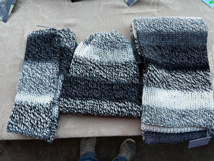
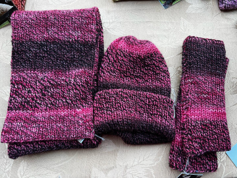
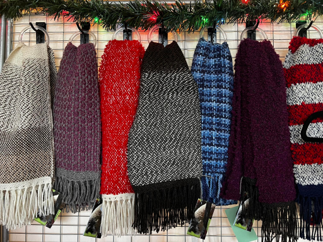
Home Spinning: Many hobbyists spin alpaca and llama rovings or batts on a wheel. While alpaca fiber can be slightly more slippery than wool due to its smoother scales, it is warm and soft, creating luxurious yarn for scarves, hats, and sweaters (CommonShare, n.d.).
Natural Dyeing: Alpaca and llama fibers readily accept natural dyes, enabling artisans to experiment with plant-based colorants such as onion skins, madder root, or indigo without relying heavily on synthetic dyes (CommonShare, n.d.).
Craft Projects: From needle felting to tapestry weaving, camelid fibers are excellent for various crafts. Their strength and light weight also make them suitable for artisan home décor projects that are both beautiful and sustainable.
Choosing alpaca and llama fibers over synthetic alternatives supports a more eco-friendly textile cycle, from sustainable farming practices to reduced chemical load and full biodegradability. Whether for fashion, crafting, or artisanal projects, camelid fibers offer style, substance, and environmental responsibility.
References
Alpaca Collections. (n.d.). Alpaca fiber: The most eco-friendly fashion. https://www.alpacacollections.com/blogs/clothing/alpaca-fiber-the-most-eco-friendly-fashion
CommonShare. (n.d.). Alpaca materials. https://www.commonshare.com/materials/alpaca?utm_source
GlobeNewswire. (2025, January 30). Global alpaca fiber market analysis. https://www.globenewswire.com/news-release/2025/01/30/3018157/0/en/Global-Alpaca-Fiber-Market-Analysis.html?utm_
Suri Socks. (n.d.). Choosing eco-friendly socks: Alpaca vs. synthetics. https://surisocks.com/blogs/news/choosing-eco-friendly-socks-alpaca-vs-synthetics?utm_source
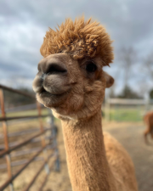
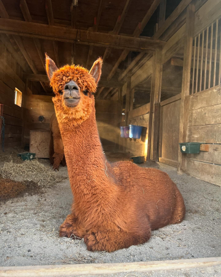
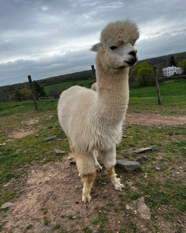
Photos: Somerset County 4-H Alpaca Club and Swallow Hill Alpaca Farm ( see below)
Pictured by: Alyson Weiss, Somerset County 4-H Alpaca Club Leader