From Farm to Table: Why Dairy Education for Youth Matters
From Farm to Table: Why Dairy Education for Youth Matters
By: Melissa Bright, Somerset County 4-H Agent
In an age of increasingly globalized food systems, the farm‑to‑table movement has emerged as a powerful way to connect consumers with where their food comes from. At its core, farm‑to‑table emphasizes shortening the distance physically and conceptually between agricultural production and consumption, prioritizing local food systems, freshness, nutrition, and transparency (Farm‑to‑table, 2026). In dairy farming, this approach holds particular importance not just for fostering healthier eating habits but also for educating the next generation about the role of agriculture in daily life.
One of the most significant contributions of farm‑to‑table dairy is its impact on food literacy, the understanding of how food is produced, processed, and consumed. Many children today have little awareness of where their dairy products like milk, cheese, and yogurt come from, or what processes are involved before these products appear on supermarket shelves. Programs that bring dairy into the classroom or local meals such as farm tours, school gardens, 4-H Youth development programs and local procurement help youth connect milk at lunchtime with the cows, farmers, and science behind it (USDA Farm to School Program, n.d.; Dairy Council of California, 2026). By seeing the full chain from pasture to plate, students develop informed perspectives on food choices, nutrition, and sustainability.
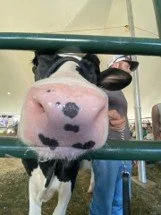
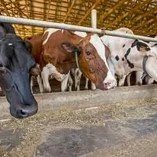
Educating youth about dairy through farm‑to‑table initiatives also supports better nutrition outcomes. Dairy foods provide essential nutrients such as protein, calcium, and vitamin D, critical components of healthy growth and development (National Dairy Council & Discovery Education, 2025). When students learn about these benefits alongside hands‑on experiences, they are more likely to make healthier food decisions and appreciate the role that dairy can play in a balanced diet.
Beyond individual health, farm‑to‑table education fosters community awareness and economic understanding. By purchasing locally produced dairy, schools and families support nearby farmers and help circulate money within the local economy, strengthening rural communities and demonstrating the economic value of sustainable agriculture (Farm‑to‑table, 2026). These connections can inspire young people to consider careers in agriculture, food science, nutrition, or environmental stewardship at a time when the farming population is aging and the future of food production relies on new generations of skilled professionals.
In addition, exposing youth to modern dairy practices helps counter misinformation and build trust. Contemporary dairy education programs often include STEM‑based learning that introduces students to the science, technology, and innovation involved in responsible farming
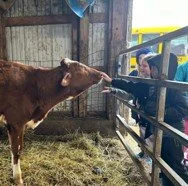
practices (Dairy Checkoff, 2023). This educational transparency is important in a world where many young consumers increasingly demand authenticity and ethical practices from food producers.
Ultimately, farm‑to‑table dairy education is a bridge by connecting young people with their food sources, strengthening their health, empowering their communities, and inspiring future careers. As global food systems evolve, investing in educational initiatives that illuminate the journey from dairy farm to dinner table is not just beneficial, but essential for nurturing informed, healthy, and engaged citizens.
References
Dairy Checkoff. (2023). Checkoff building trust with youth through dairy‑focused science education. https://www.dairycheckoff.com/news/checkoff-news/checkoff-building-trust‑with‑youth‑through‑dairy‑focused‑science‑education/ Dairy Council of California. (2026). Building brighter futures with farm‑to‑school programs. https://dairycouncilofca.org/news-media/building‑brighter‑futures‑with‑farm‑to‑school‑programs/ Farm‑to‑table. (2026). In Wikipedia. https://en.wikipedia.org/wiki/Farm‑to‑table USDA Farm to School Program. (n.d.). I’m new to Farm to School. https://www.fns.usda.gov/f2s/im‑new‑farm‑school National Dairy Council & Discovery Education. (2025). Dairy’s journey from farm to table (report overview). https://hoards.com/article‑21988‑national‑dairy‑council‑discovery‑education‑introduce‑students‑to‑sustainable‑farming‑and‑dairys‑journey‑from‑farm‑to‑table.html
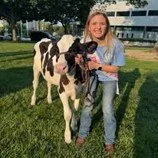
Photos: Somerset County New Centre Dairy 4-H Club and Middlebush Dairy Farm
Pictured by: Melissa Bright, Somerset County 4-H Agent