
Why Different Cuts Taste Different: Ribeye vs. Sirloin vs. Brisket
Why Different Cuts Taste Different: Ribeye vs. Sirloin vs. Brisket
By: Melissa Bright, Somerset County 4-H Agent
When it comes to beef, not all cuts are created equal. If you’ve ever wondered why a ribeye steak tastes richer than a sirloin or why brisket melts in your mouth after hours of slow cooking, the answer lies in muscle structure, fat content, and cooking methods. Understanding these differences can help you choose the perfect cut for your meal.
Ribeye is prized for its rich flavor and tenderness. Marbling is the streak of intramuscular fat that runs through the meat. Marbling melts while cooking, basting the meat from the inside and creating a juicy, buttery texture (Smith, 2021). Ribeye comes from the rib section, a muscle that doesn’t do a lot of heavy work, so it stays tender. Grilling or pan-searing a ribeye over high heat allows the fat to render, intensifying its savory flavor.
Sirloin, located toward the rear of the cow near the hip, has less fat than ribeye. It’s leaner but still flavorful, making it a versatile option for grilling, stir-frying, or roasting (Johnson & Miller, 2020). Because sirloin has less marbling, it can be slightly firmer and requires careful cooking to avoid toughness. Its flavor is more beef-forward, meaning you taste the meat itself rather than the fat. Marinating or using a dry rub can enhance sirloin’s taste and tenderness.
Brisket comes from the cow’s chest, a muscle that supports much of the animal’s weight. This makes it tougher and full of connective tissue. However, when cooked low and slow, through smoking, braising, or slow roasting collagen in the connective tissue breaks down into gelatin, giving brisket its signature melt-in-your-mouth texture (Anderson, 2019). Brisket has a deep, beefy flavor that develops over hours, making it a favorite for barbecue enthusiasts and holiday roasts alike.
The differences in taste and texture across beef cuts come down to three main factors: fat content, muscle use, and cooking method. Fat adds flavor and juiciness, muscles that are used less frequently remain tender, and slow cooking breaks down tough fibers. Knowing these factors allows home cooks and chefs alike to match cuts with the best preparation method, whether it’s a quick sear, a marinade, or an all-day slow roast.
In the end, exploring different cuts is part of the joy of cooking and eating beef. Whether you prefer the rich, marbled ribeye, the lean versatility of sirloin, or the slow-cooked indulgence of brisket, understanding why they taste different makes every meal more delicious and satisfying.
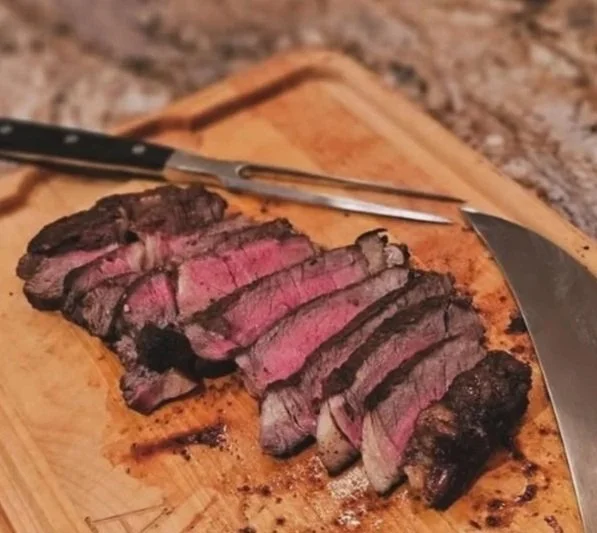
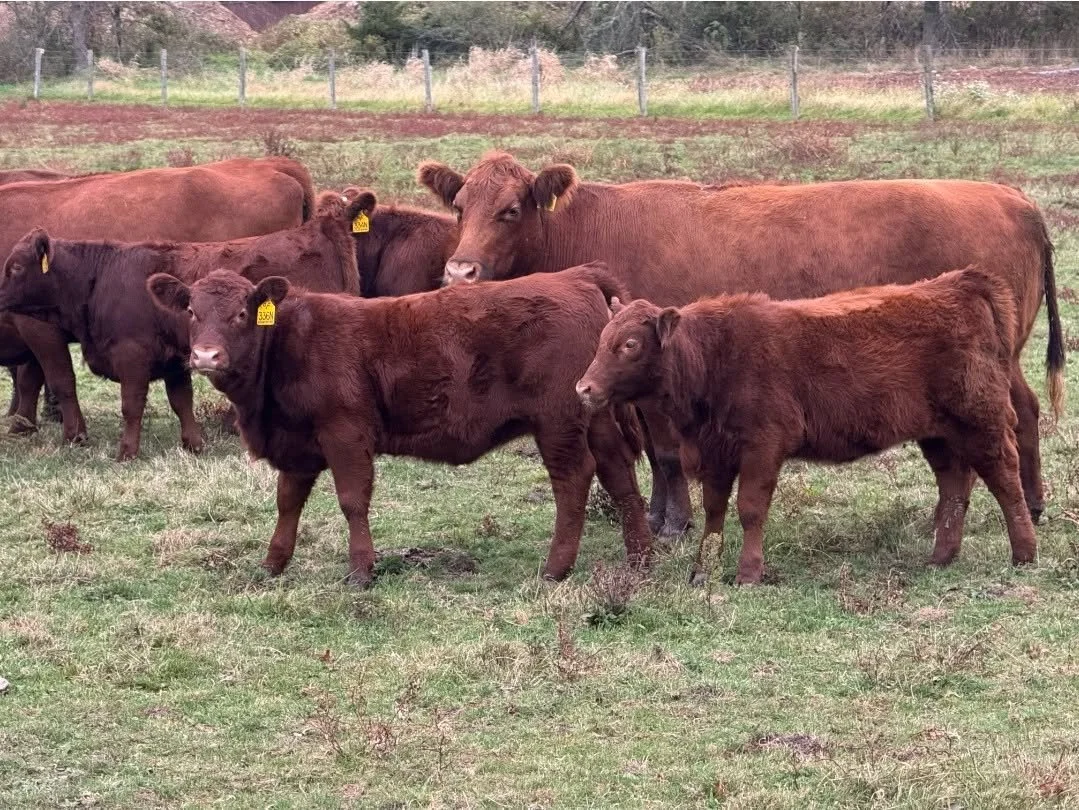
Photos taken at Abma Farms, NJ.
References
Anderson, L. (2019). The science of slow-cooked meats: How collagen transforms flavor and texture. Culinary Science Journal, 12(3), 45–52.
Johnson, R., & Miller, T. (2020). Beef cuts and cooking techniques: A practical guide. Meat Science Press.
Smith, P. (2021). Marbling and flavor: Why ribeye reigns supreme. Journal of Culinary Studies, 15(2), 78–84.